
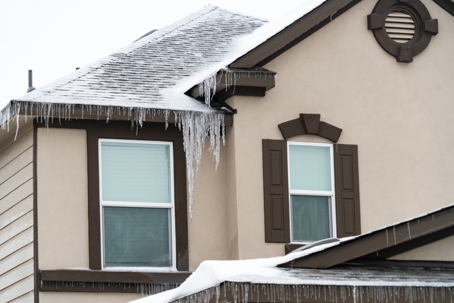
While Central Texas is known for its mild winters, residents of Austin, Cedar Park, Georgetown, and Leander know that occasional ice storms and hard freezes can bring significant challenges. As we prepare for a significant arctic cold front this weekend (January 24–25, 2026), this extreme weather presents unique challenges to residential HVAC systems, particularly heat pumps and outdoor condensing units.
This guide provides essential education on how freezing rain affects your heating system and outlines actionable prevention steps to ensure your home remains safe and warm throughout the storm.
Understanding the Impact of Freezing Rain on HVAC Systems
Freezing rain is particularly hazardous for HVAC equipment because it creates a layer of "glaze ice" on everything it touches. Unlike snow, which is light and can often be brushed away, ice is heavy, dense, and restrictive.
The Heat Pump Challenge
Most homes in the Austin area utilize heat pumps for efficient heating. During an extreme ice storm, the rapid accumulation of ice can outpace the system's ability to defrost, leading to several critical failures:
- Mechanical Damage: Ice buildup on the fan blades or the top grille can unbalance the fan, leading to premature motor failure, or restrict airflow, causing the system to shut down or lose efficiency.
- Internal System Failure: The outdoor unit contains refrigerant lines that can freeze, impairing the system's ability to heat your home. Furthermore, ice can cause short circuits or power surges, while frozen condensate lines can lead to water damage or system shutdowns.
- Coil Damage: Heavy ice can damage sensitive coils, potentially resulting in expensive refrigerant leaks and system replacement.
Essential Steps for Winter Storm Preparedness
Taking proactive measures before the freezing rain begins on Friday evening is crucial to protecting your investment and avoiding costly emergency repairs.
1. Schedule a Pre-Winter HVAC Tune-Up
A professional tune-up helps identify potential problems before severe weather arrives. Regular maintenance ensures your system is clean, operating efficiently, and ready to handle increased winter demand.
What to do:
Have a licensed HVAC technician inspect and clean system components, check refrigerant levels, test electrical connections, and verify proper heating operation before winter storms hit.
2. Switch to Emergency Heat During Freezing Rain
When freezing rain is actively falling, your outdoor heat pump can ice over and repeatedly attempt to defrost, which may cause damage or unnecessary strain on the system.
What to do:
Set your thermostat to Emergency Heat (EM Heat or Aux Heat) when temperatures are below freezing and ice is actively accumulating. This shifts heating to the indoor system and protects the outdoor unit.
3. Clear and Protect the Area Around Your Outdoor Unit
Blocked airflow and trapped debris can freeze into your system and cause mechanical issues during prolonged cold weather.
What to do:
Clear leaves, branches, and patio furniture from at least a 2-foot radius around the outdoor unit. If the unit sits in an area prone to standing water, consider elevating it to reduce ice buildup.
4. Insulate Exposed HVAC and Water Pipes
Cold temperatures can cause exposed pipes to freeze and burst, leading to water damage and system downtime—especially in attics, crawlspaces, and exterior walls.
What to do:
Install foam pipe insulation on exposed or unheated lines. During extreme cold, allow indoor faucets to drip slowly to reduce pressure and prevent freezing.
5. Check Air Filters and Vent Clearance
Restricted airflow can reduce system efficiency, while blocked exhaust vents can create serious safety hazards such as carbon monoxide buildup.
What to do:
Replace dirty air filters regularly and inspect all furnace and water heater exhaust vents. Make sure ice, sleet, and snow are not blocking vent openings.
What to Do During the Storm and Power Outage Preparedness
If you notice your outdoor unit is encased in a thick layer of ice, do not attempt to chip it away with a hammer or shovel. This can puncture the aluminum fins or copper tubing, leading to severe system damage. Instead, follow these steps:
1. Turn off the unit at the thermostat or the dedicated breaker.
2. Switch to your backup heat source (Electric heat strips or gas furnace) to maintain warmth.
3. Wait for the ice to melt naturally once temperatures rise, or call a professional for a safe de-icing service.
Prepare for Potential Power Outages
Ice storms often lead to power outages, which can render your HVAC system inoperable. It is vital to have an emergency kit that includes blankets, warm clothing, and non-perishable food.
Generator Safety: If you use a generator, ensure it is fueled and never operated indoors or in a garage. Generator exhaust contains lethal carbon monoxide.
Carbon Monoxide Safety: If you are using a gas furnace or a portable heater as a backup, it is imperative to ensure your Carbon Monoxide (CO) detectors are functional and have fresh batteries.
Local HVAC Support in Central Texas
For residents in Austin, Cedar Park, Georgetown, and Leander, having a reliable HVAC partner is essential for navigating the unpredictable Central Texas winter.
When to Call for Emergency HVAC Service
Despite diligent preparation, winter storms can still cause issues. You should contact a professional for emergency HVAC service immediately if you experience:
- A complete loss of heat.
- Unusual noises or burning smells coming from the unit.
- Visible, severe ice damage to your outdoor unit.
- A system that is running constantly but not heating the home.
Don't let winter storms leave you in the cold! Taking proactive steps today can save you thousands in repair costs and ensure your family's safety and comfort throughout the storm. Contact us today to schedule your pre-winter HVAC tune-up or for immediate emergency service.